Logomark

Spencer’s Portfolio

Halo

Helping homeless people find jobs and rebuild their lives.

Landing detail

NOV 2024 - FEB 2025

Hope

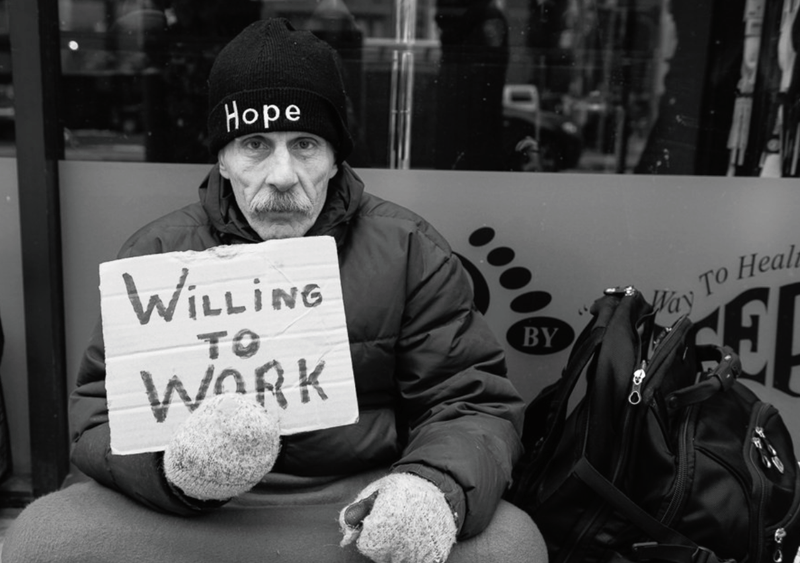
I went to college in Baltimore, and there were a lot of homeless people around the school. I didn't know them before, and they were full of stereotypes. But it was not until more contact with them that they discovered their love for life. I found that they are not what I imagined. Most of them are also optimistic and want to change their lives.


From a passerby's perspective

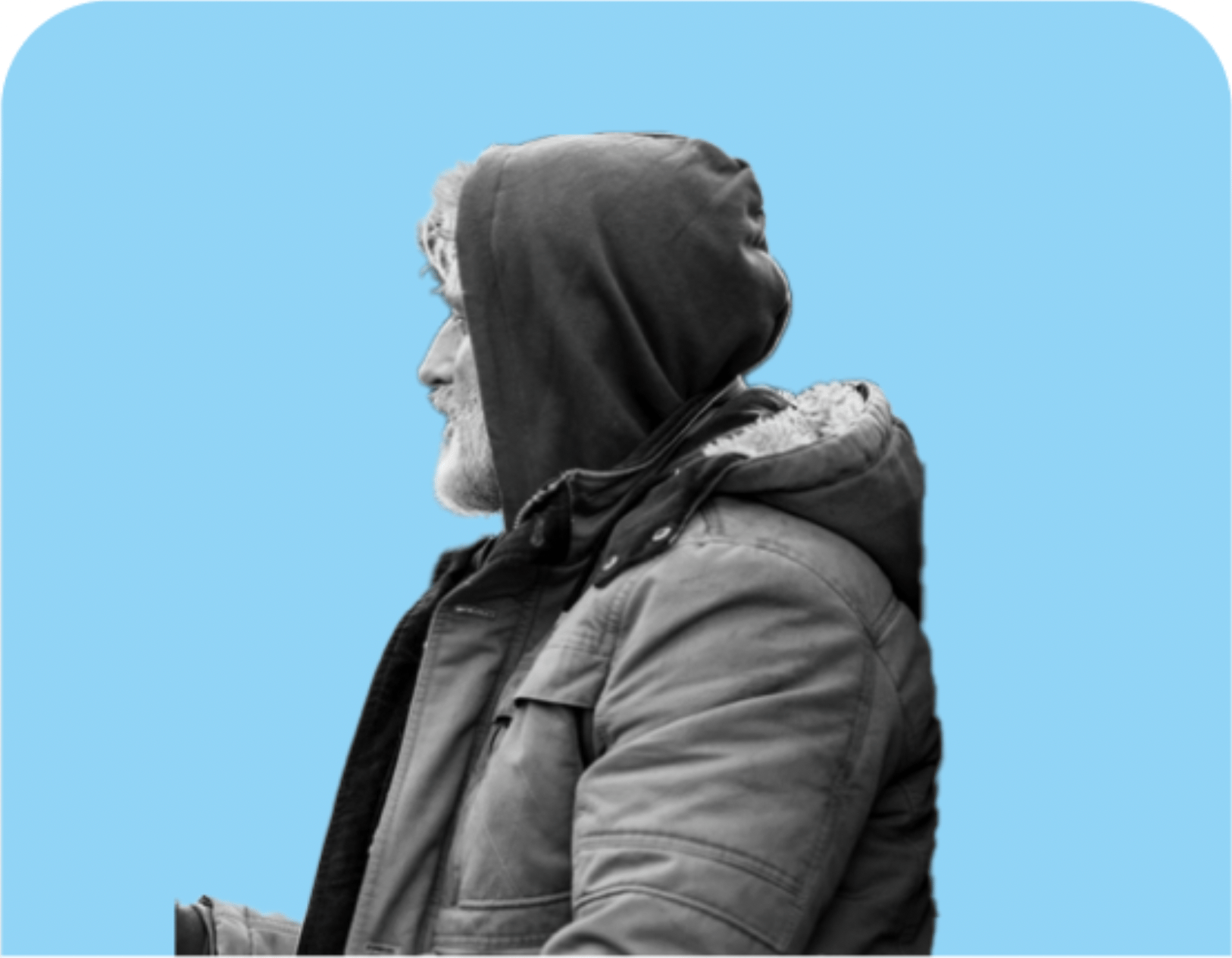
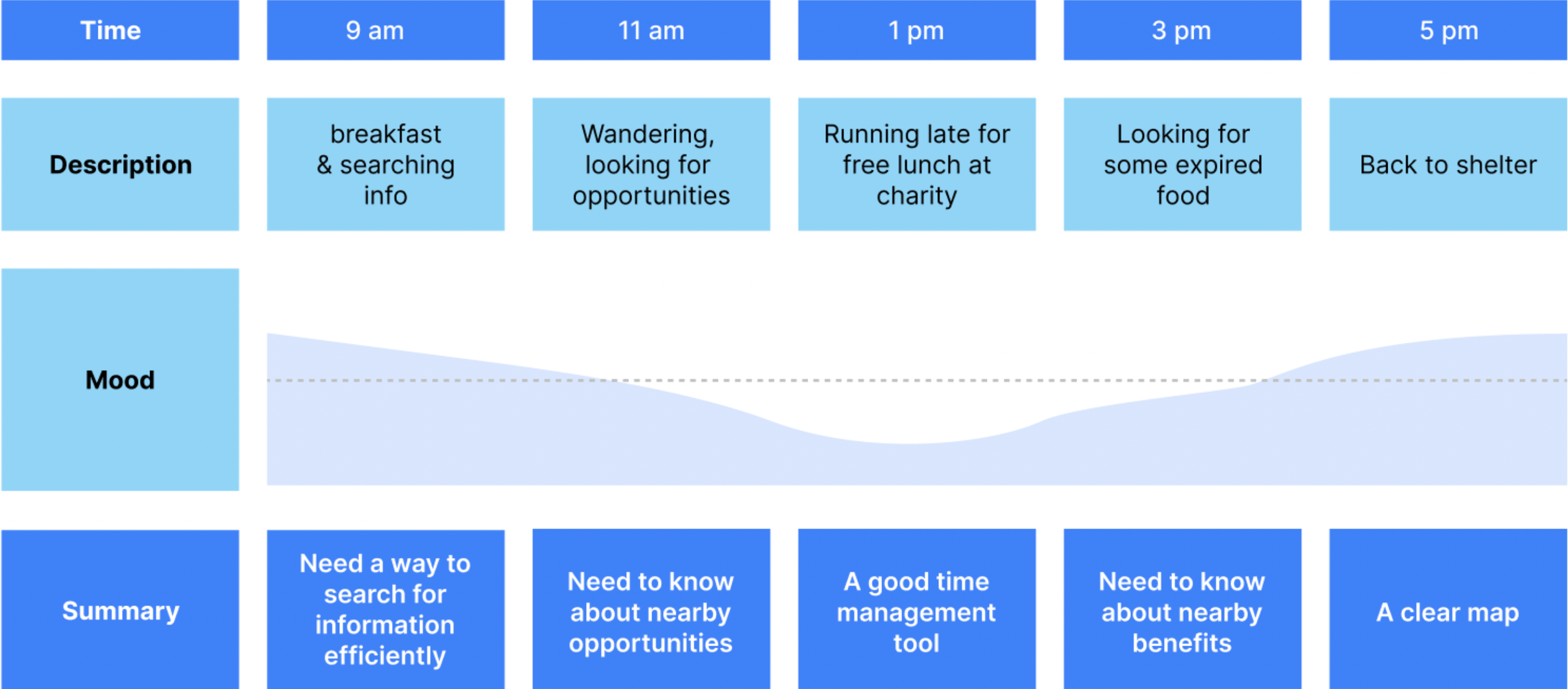
Many people find it difficult to return to society after losing their jobs because of prejudice and the lack of a fixed place to live, even if they are able to.

Brainstorming

Analysising User needs
My project hero

What makes our product attractive

Leverage real-time feedback, playful challenges, and social visibility to keep users engaged, motivated, and feeling seen.‍‍Gamify progress tracking → turn steps from registration to racing into dynamic goalsLive feedback loop → drivers & organizers stay connected‍Enable social comparison → rankings, challenges, rivals→ Maybe expand into community features & collaborate with brands?
Brainstorming

Analysising User needs

My project hero

What makes our product attractive

Leverage real-time feedback, playful challenges, and social visibility to keep users engaged, motivated, and feeling seen.‍‍Gamify progress tracking → turn steps from registration to racing into dynamic goalsLive feedback loop → drivers & organizers stay connected‍Enable social comparison → rankings, challenges, rivals→ Maybe expand into community features & collaborate with brands?
Product detail

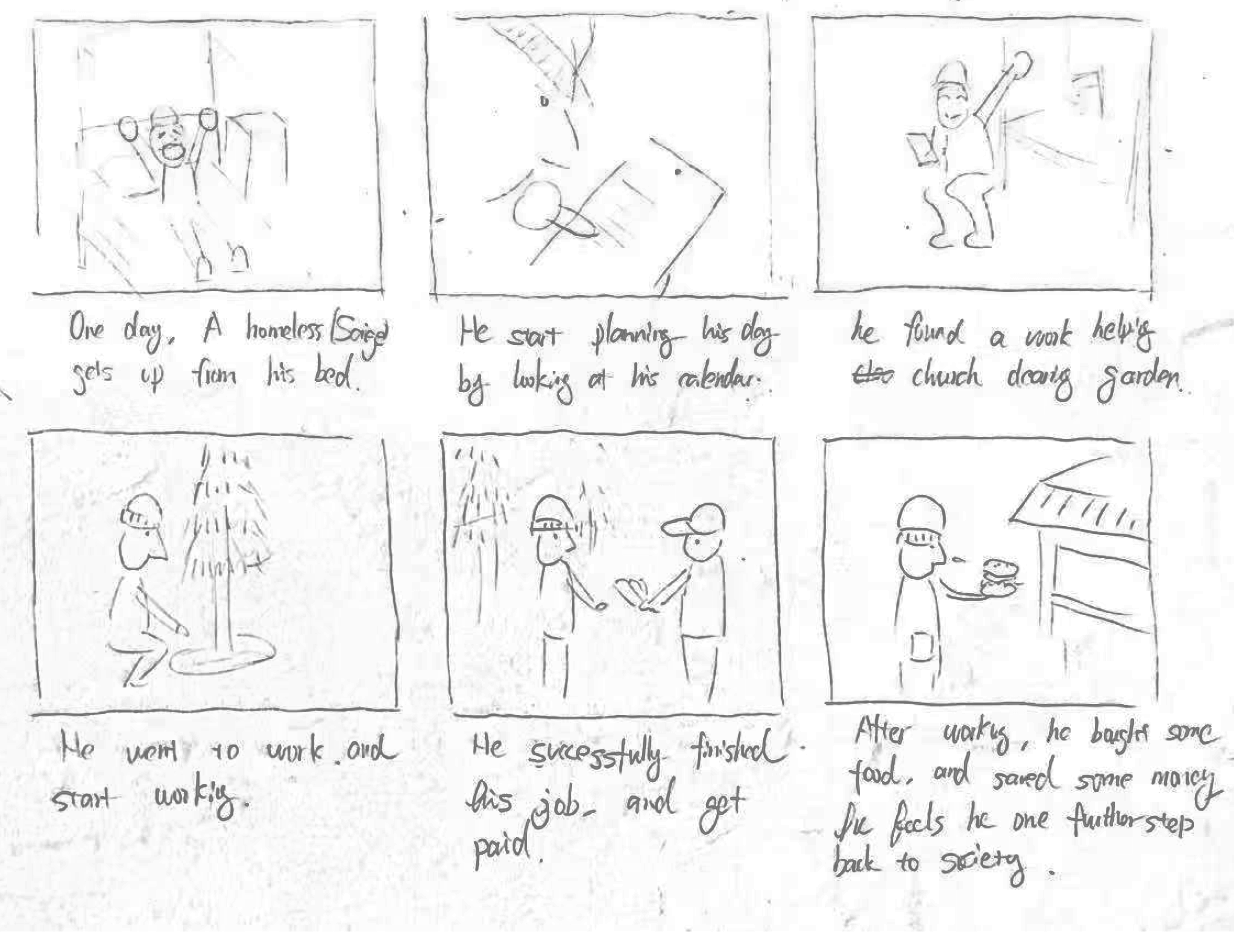
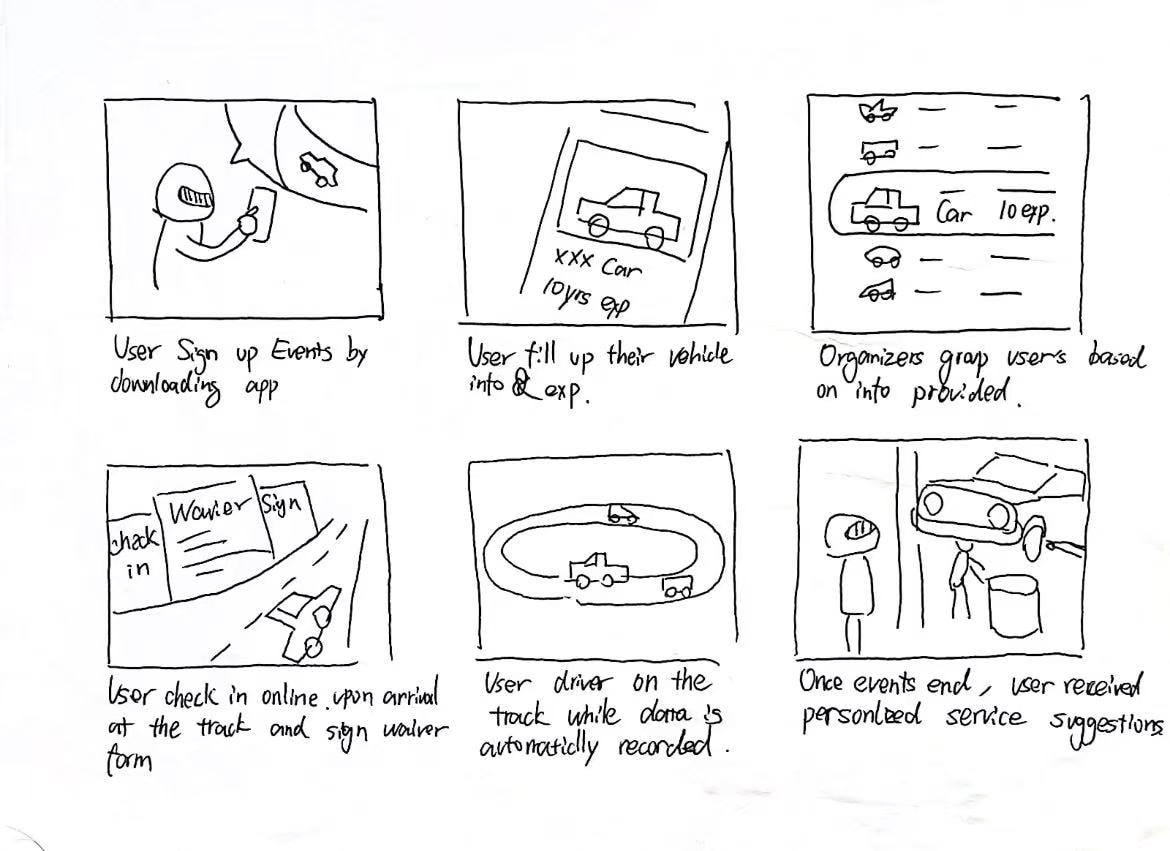
Storyboard

This storyboard maps the full user journey and highlights how our app enhances the track day experience—while generating potential income through service integration and smart user targeting.

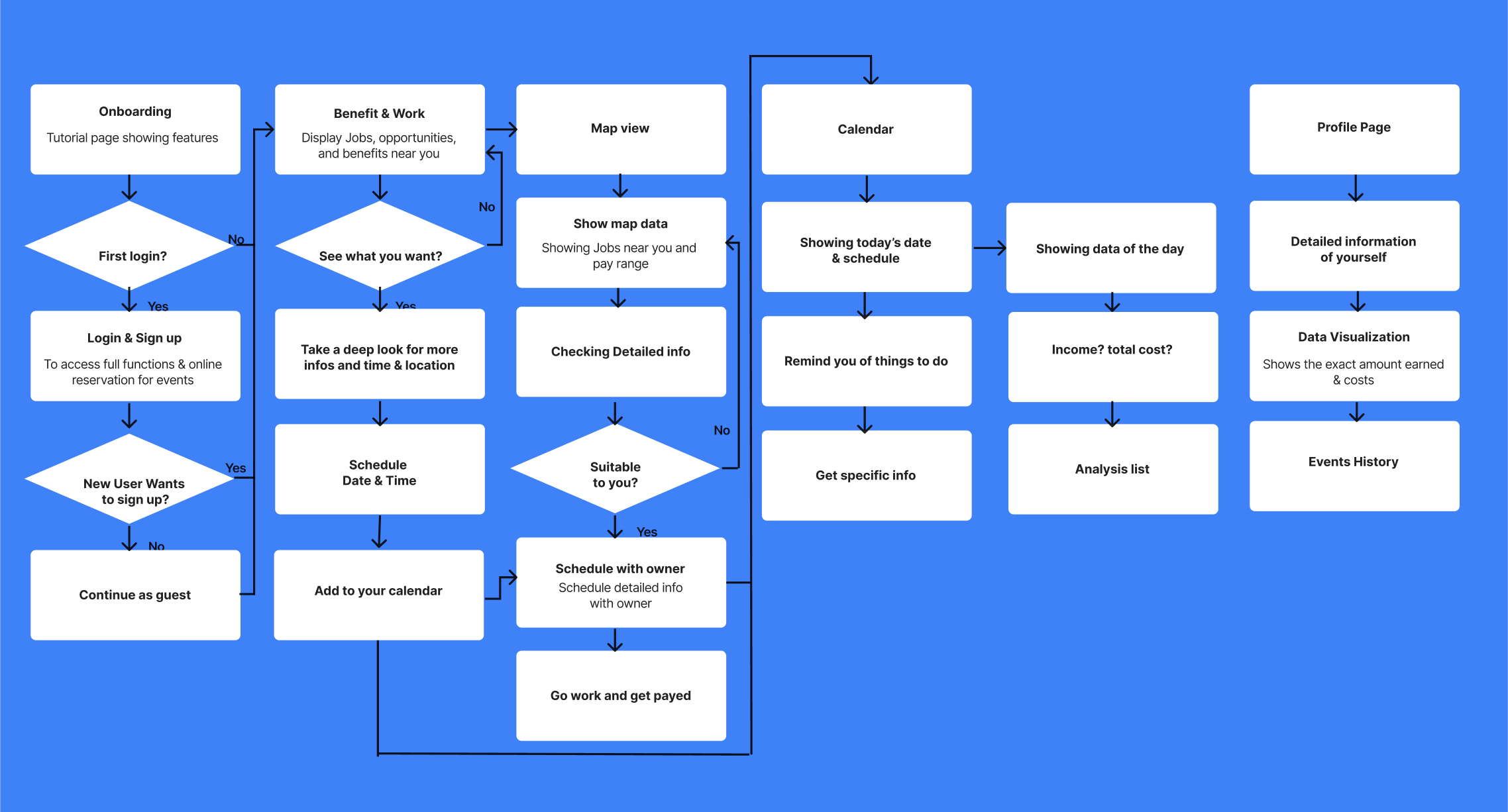
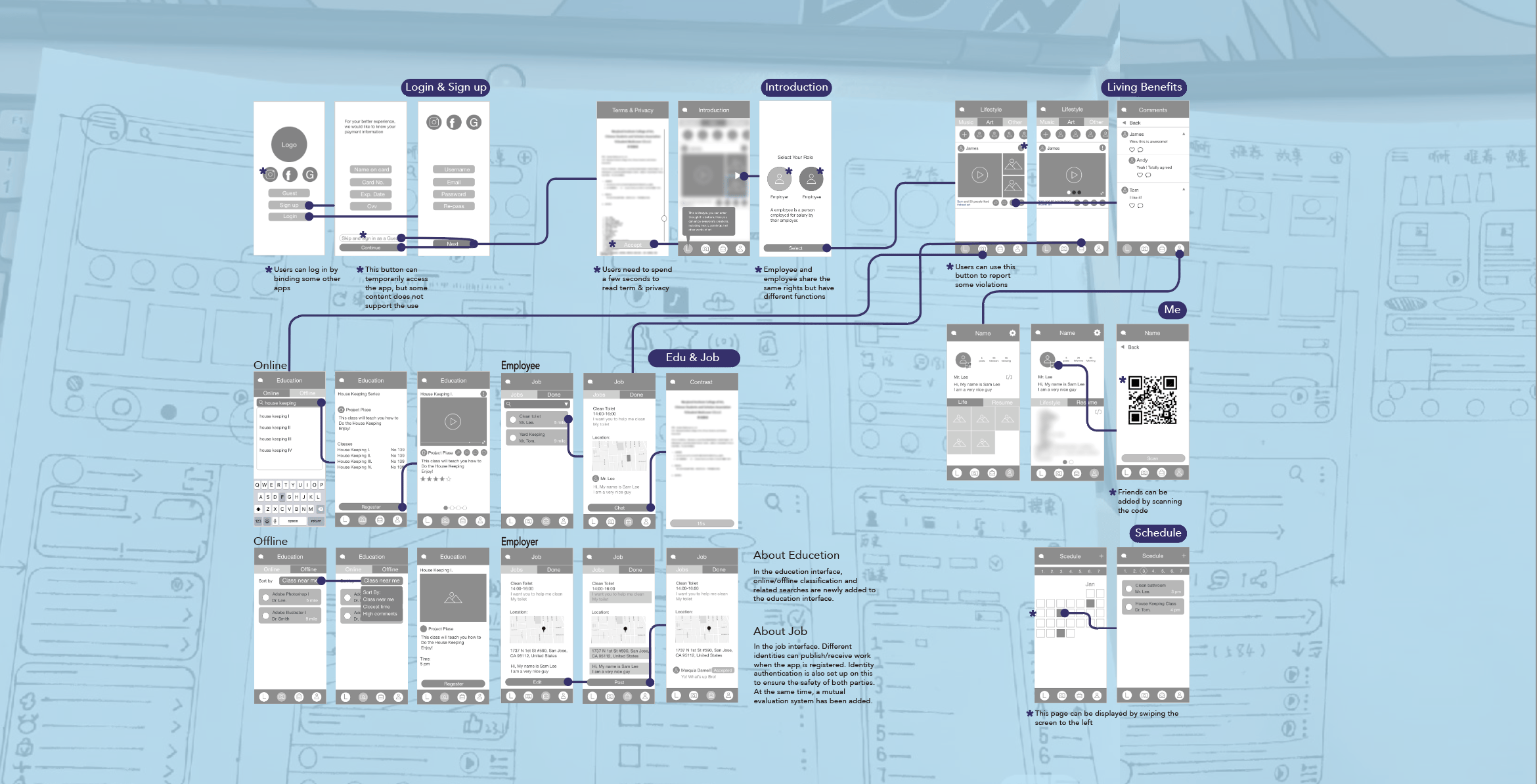
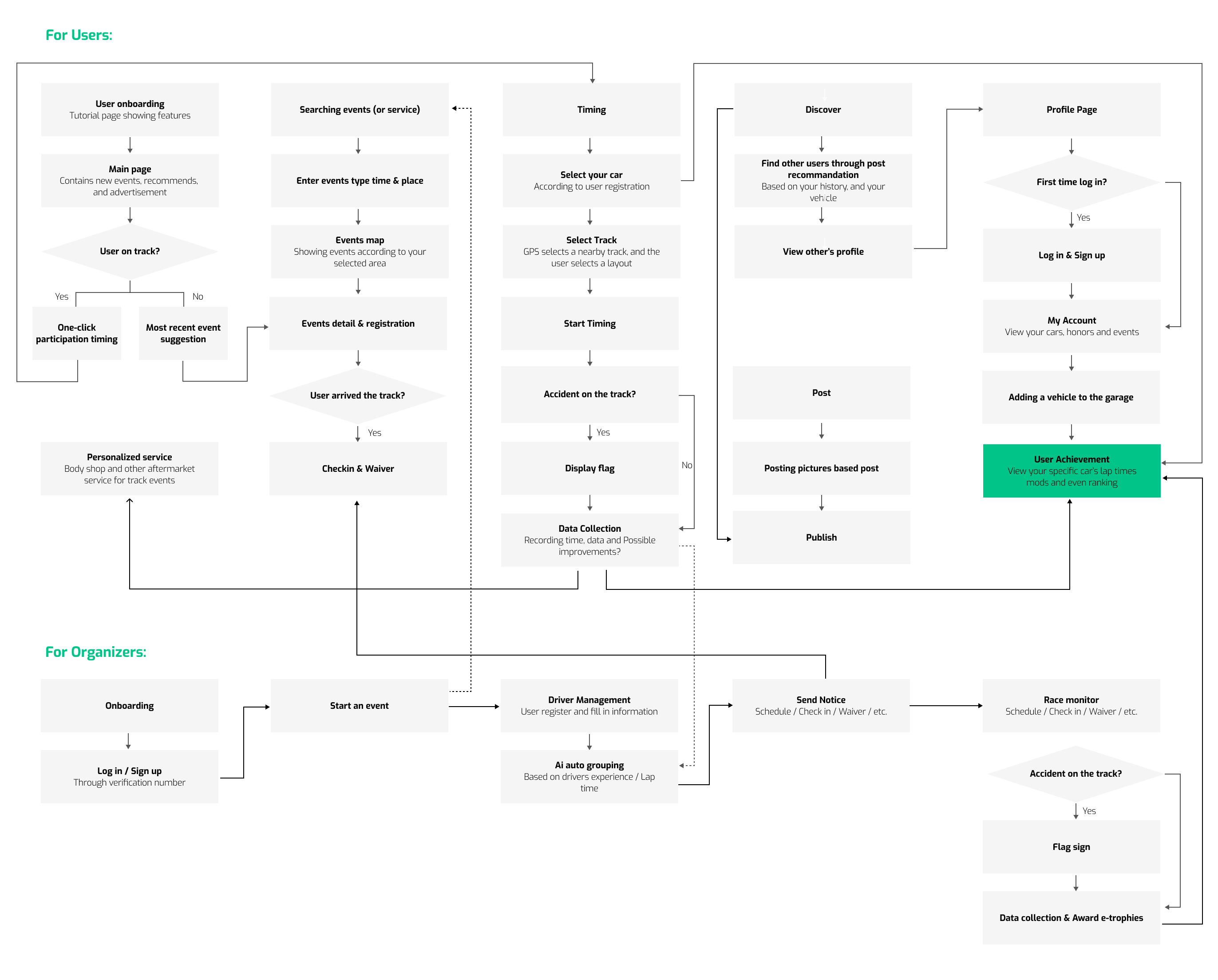
Flow chart

My project hero

Field Research

Through my research, I found that the majority of homeless individuals own a smart phone.

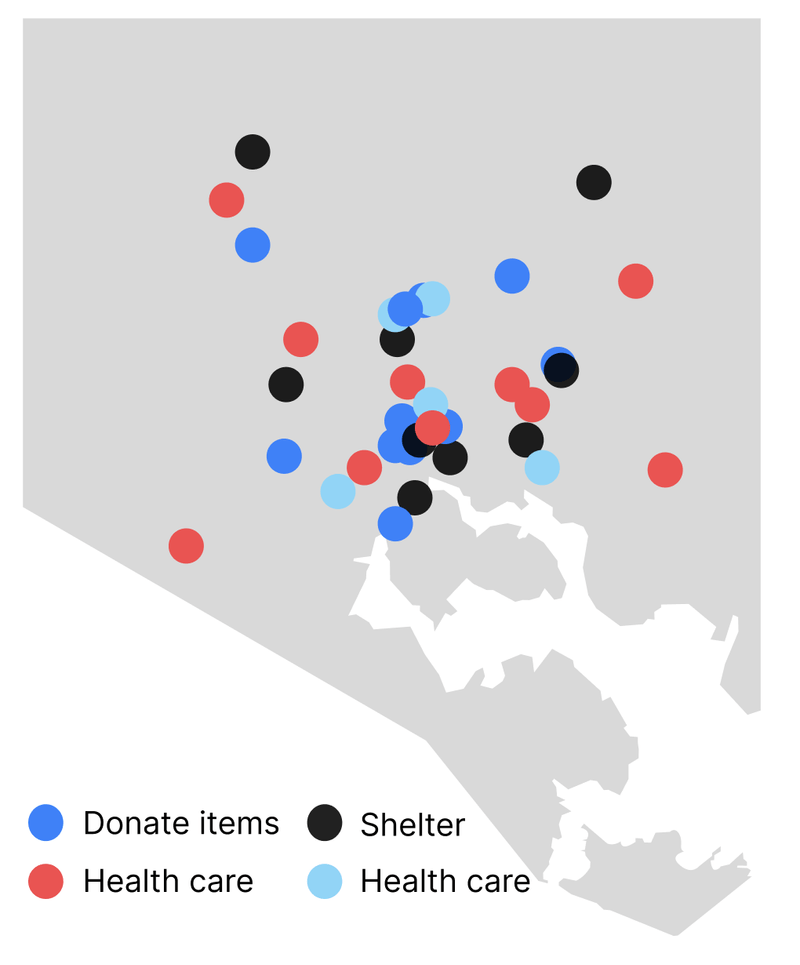
This map is an interactive list of resources for people experiencing or at risk of homelessness, including emergency shelters, resource centers, health care, and meal sites.


Maryland government provides sufficient welfare facilities, but they lack programs to help individuals reintegrate into society.


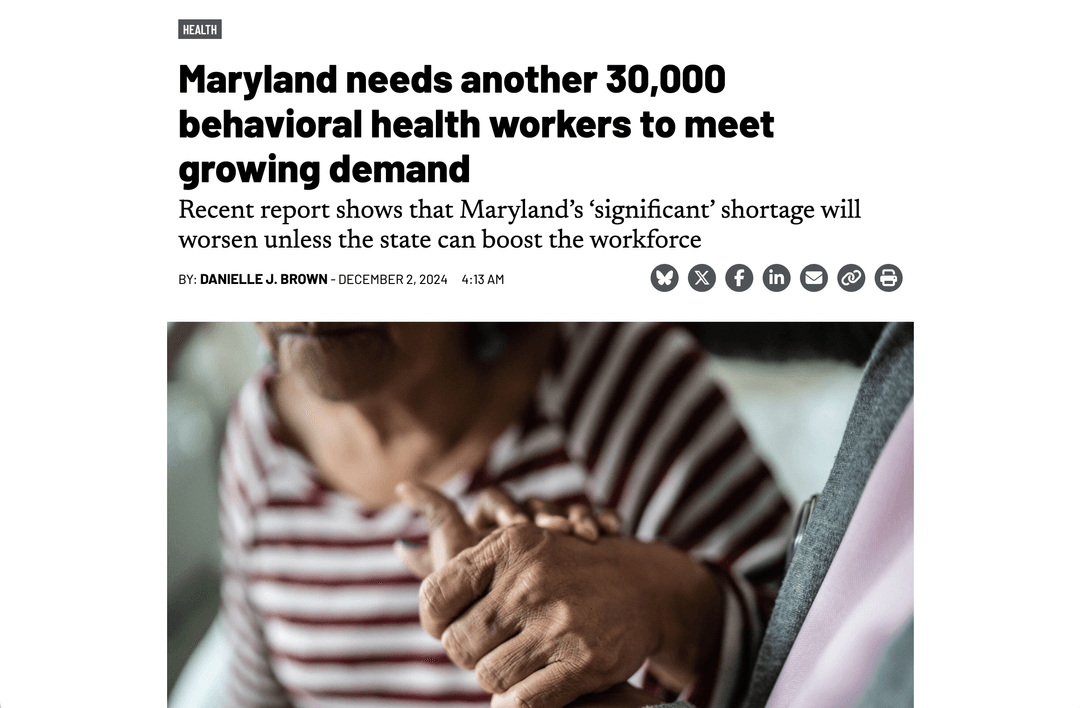
Workforce shortage in MD

70% of labor does not require skills, but is still very expensive, and also under staff shortage

Project

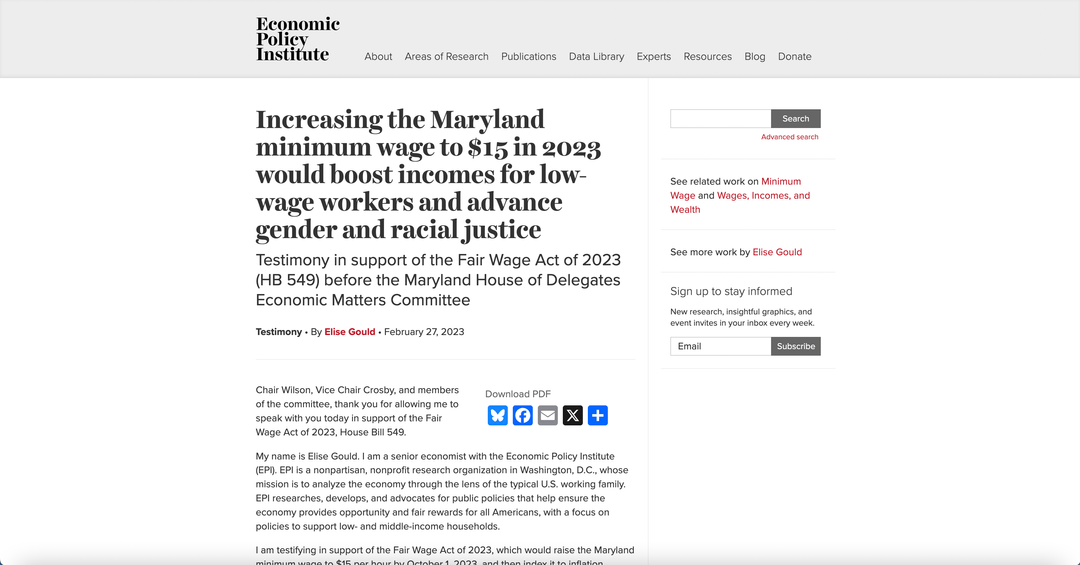
1. High Hourly Rate


Project

2. Workforce Shortage


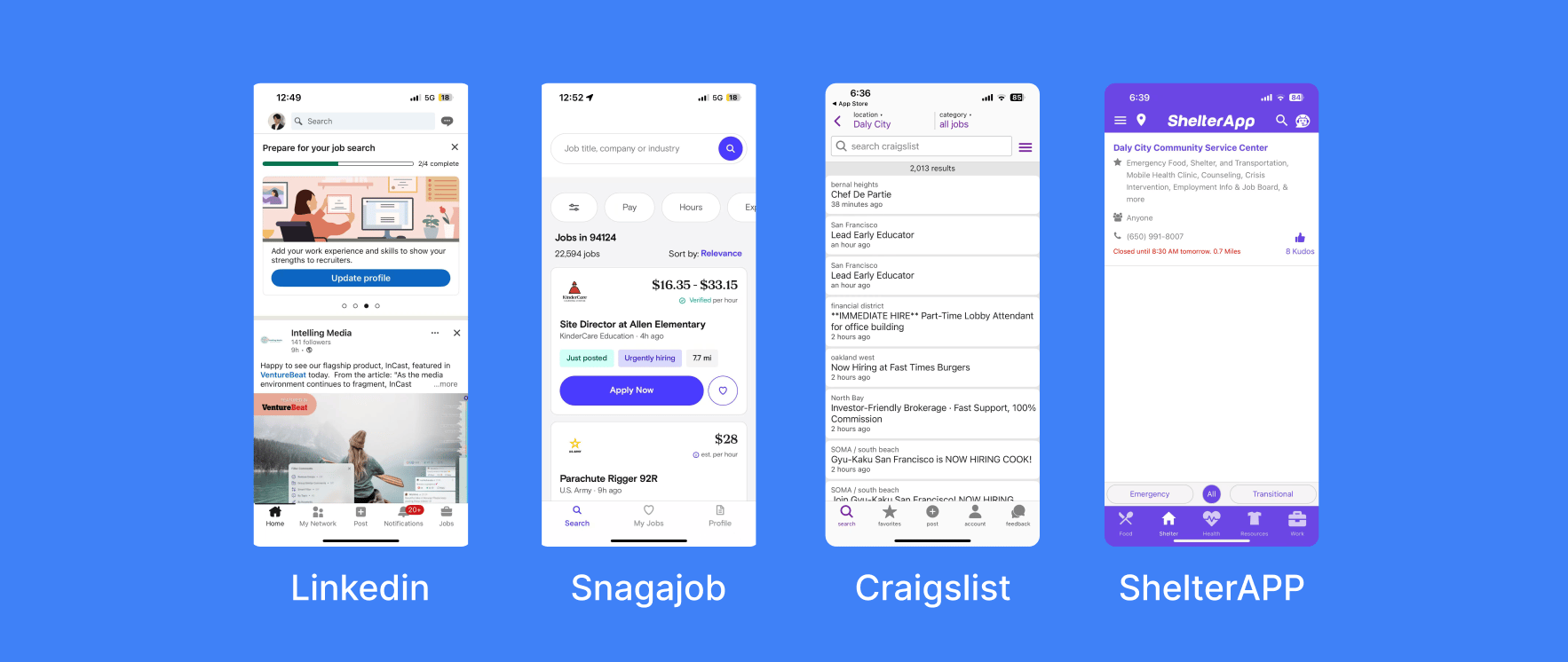
Whats current app doing & Why they are not helping homeless

Point system function & UI upgrade

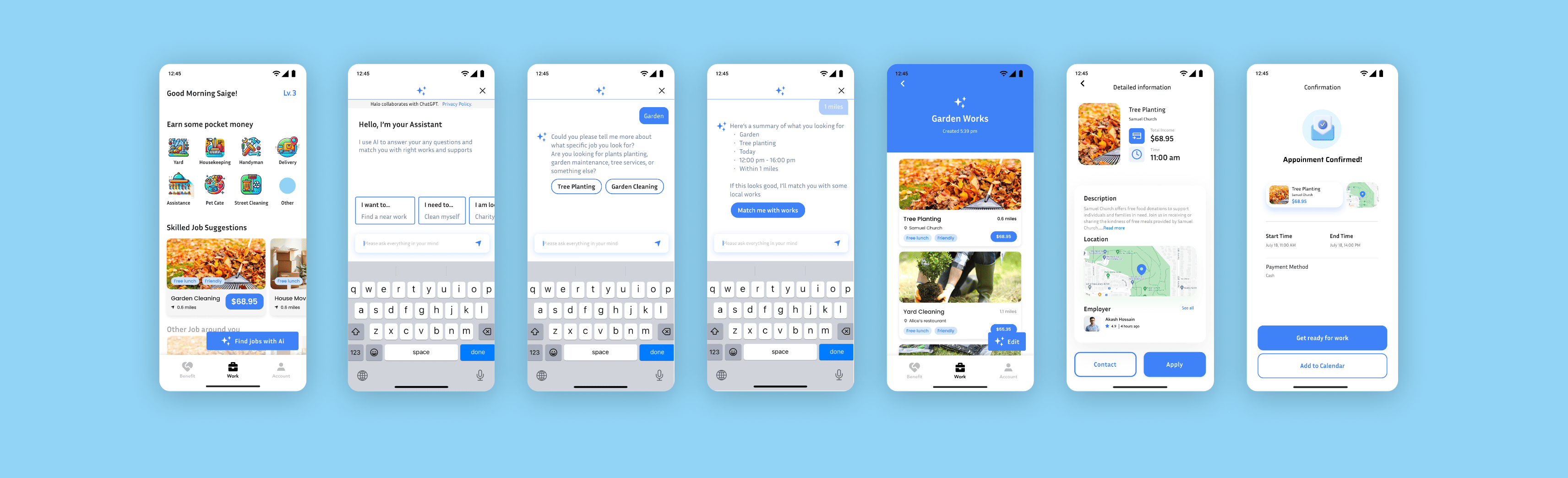
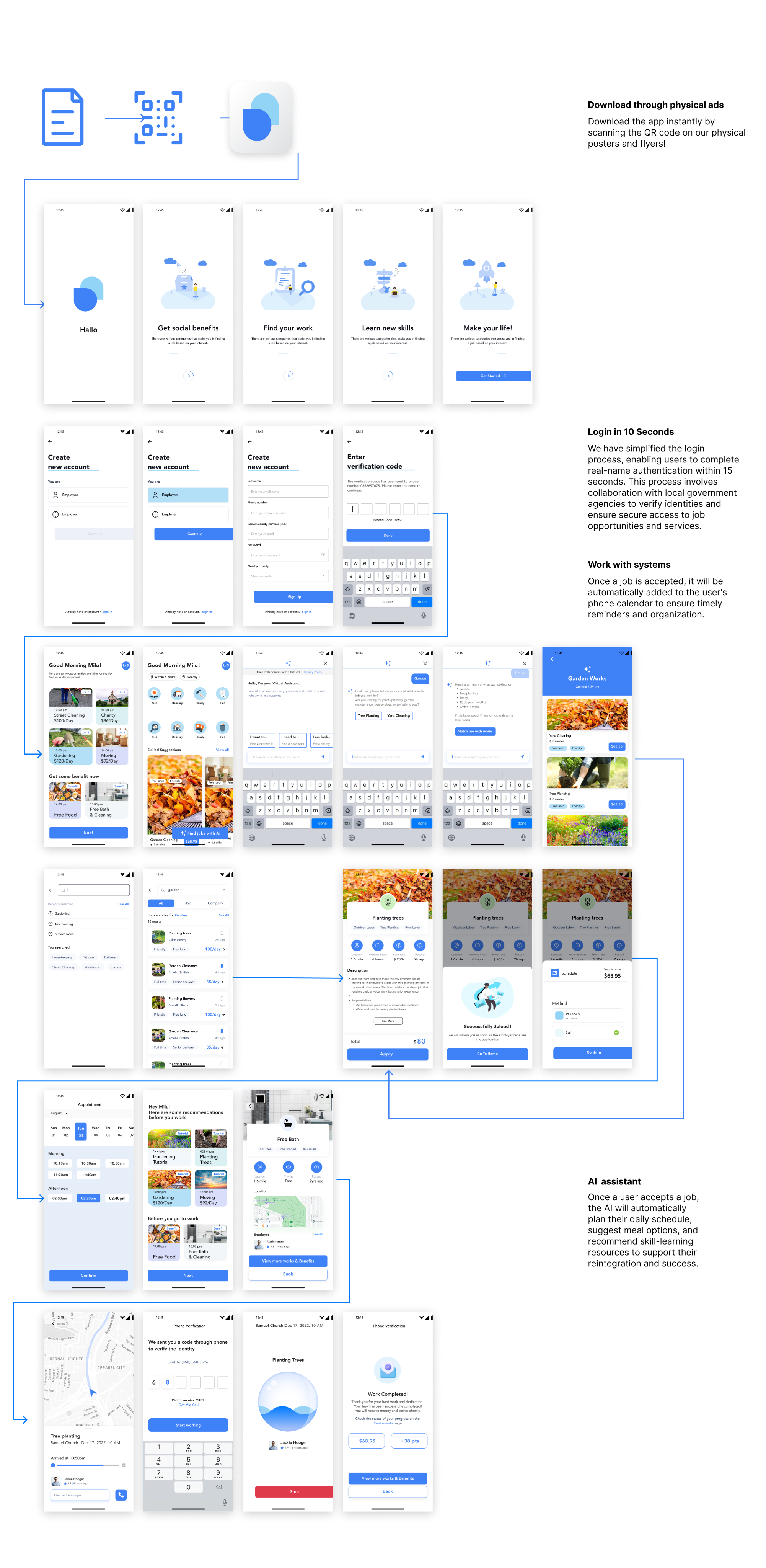
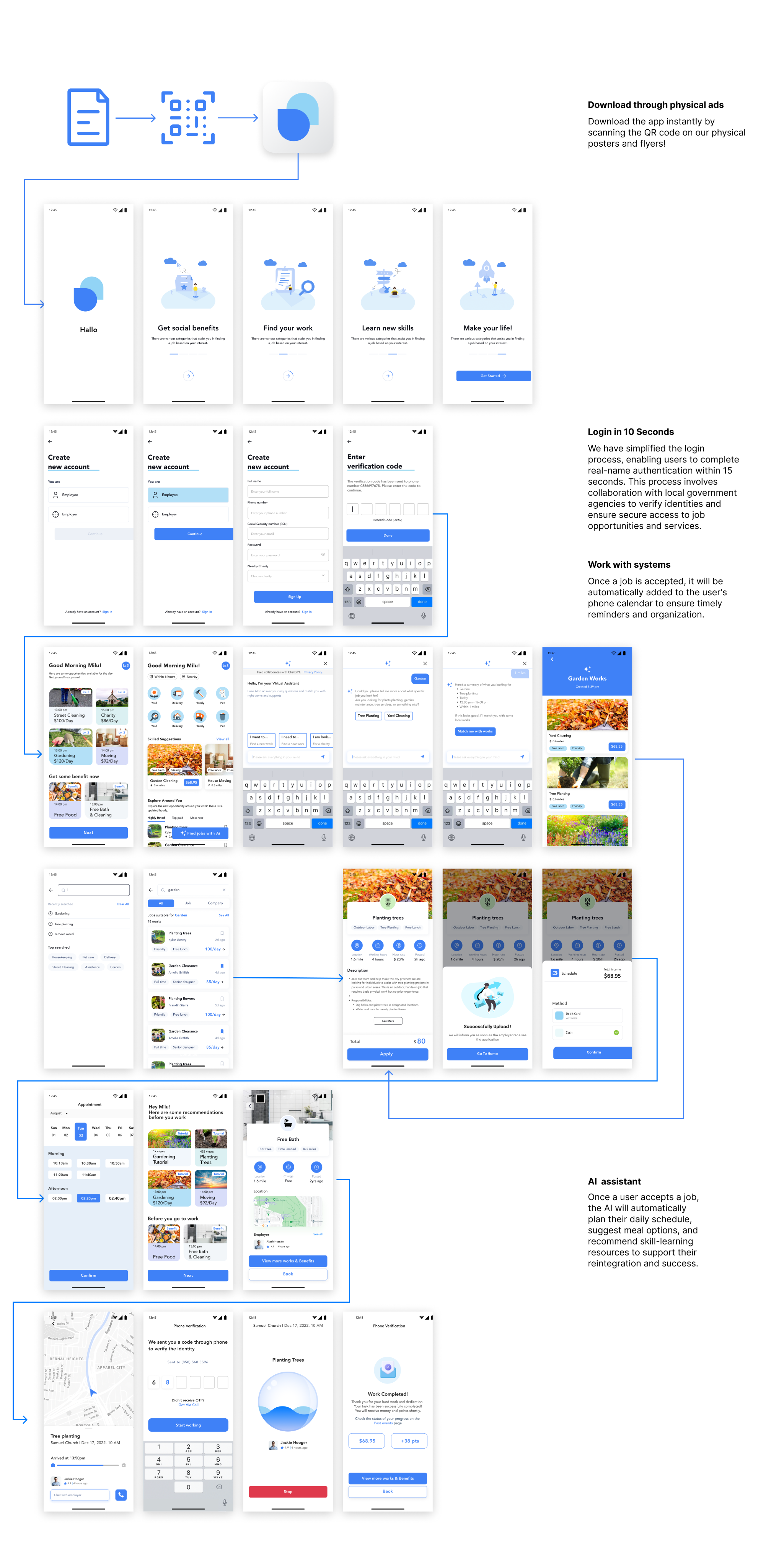
The redesigned workflow simplifies job searching by introducing a conversational interface where users can quickly describe their needs instead of manually browsing listings. AI analyzes user profiles, availability, skills, and location to recommend the most suitable tasks in real time. This improves usability by reducing search time, increasing match accuracy, and enabling users to move from discovery to application in just a few steps.

Removed In-App Map Integration

Based on user feedback, we eliminated the custom map feature and instead leveraged the built-in mapping functionalities of mobile devices. This ensures a more seamless and familiar navigation experience while reducing technical overhead.

Simplified Job Search with AI Assistance

Existing homeless aid apps focus on survival (food, shelters) but rarely help them regain independence through jobs and long-term solutions.

How we promote user’s self motivation

Challenges in Reintegration

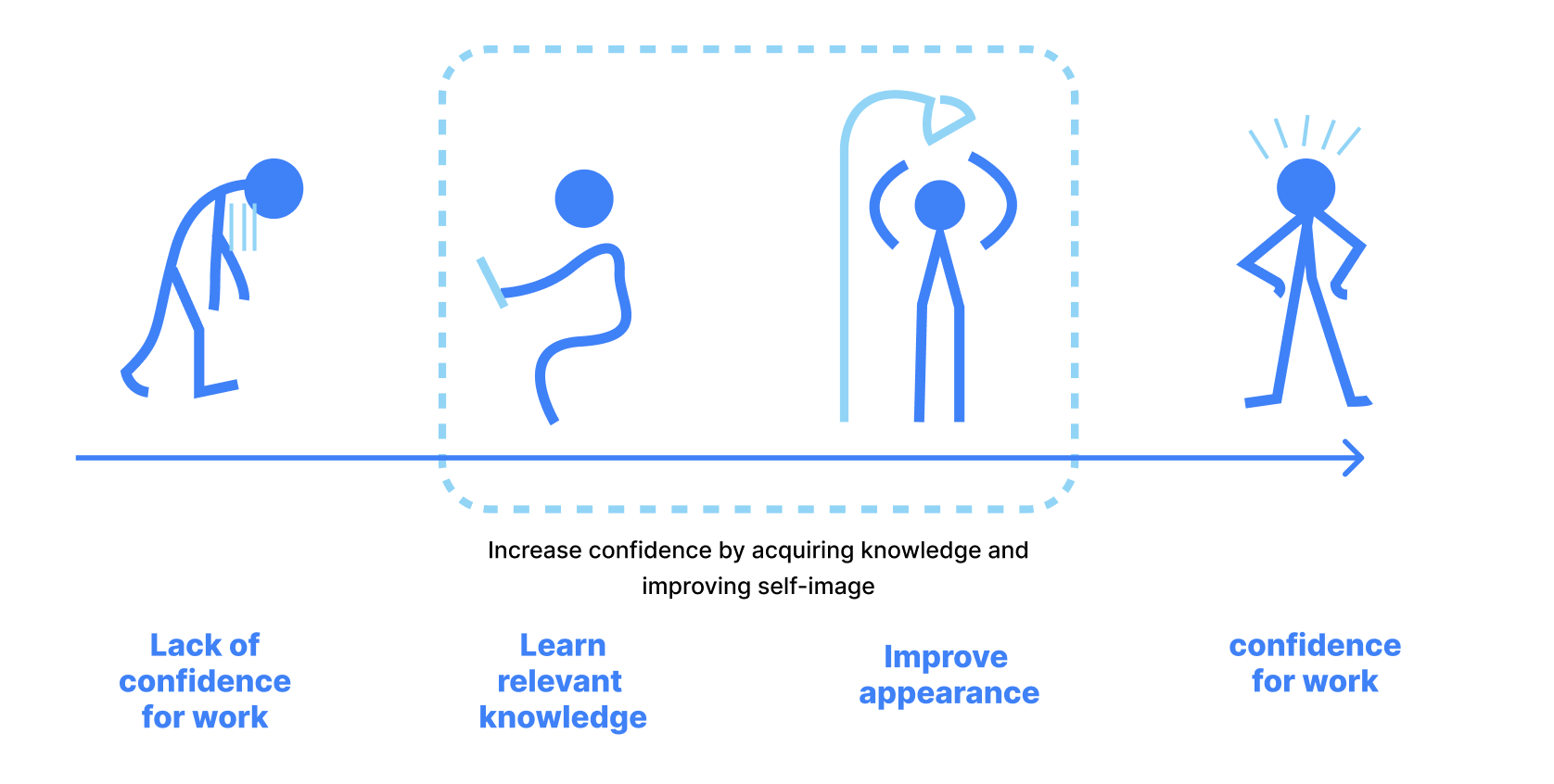
I thought the solution was quite simple—just help the homeless find a job, earn money, and they would no longer be homeless. However, I soon realized that there are significant barriers preventing them from even starting the job-seeking process. Many people challenges beyond employment, such as lack of confidence, social stigma, and essential life skills. This realization led me to rethink my approach; instead of focusing solely on job placement, the design should provide comprehensive support that addresses their struggles from multiple angles. The app should act as a guide, offering step-by-step assistance to help them gradually reintegrate into society and build a sustainable, better life.

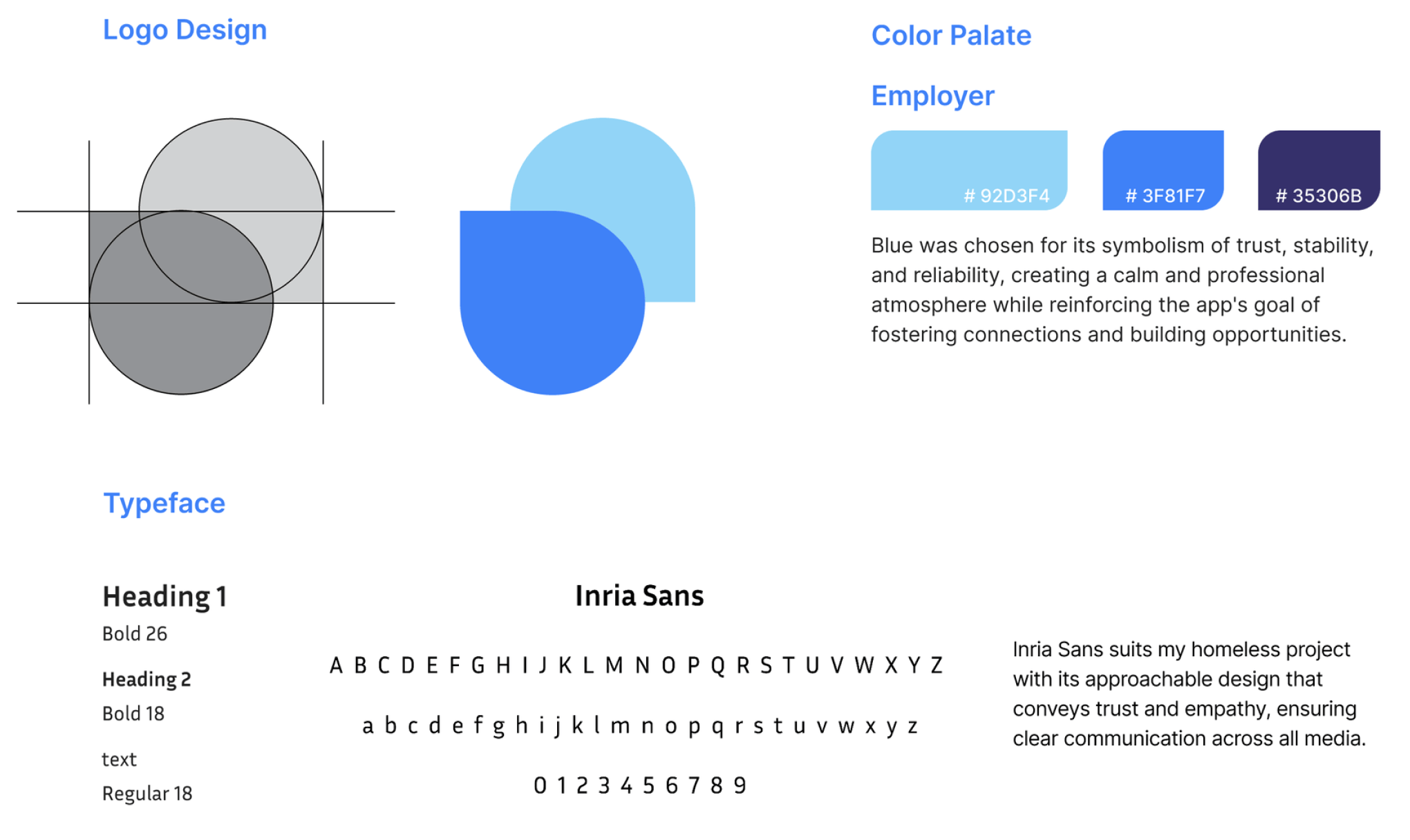
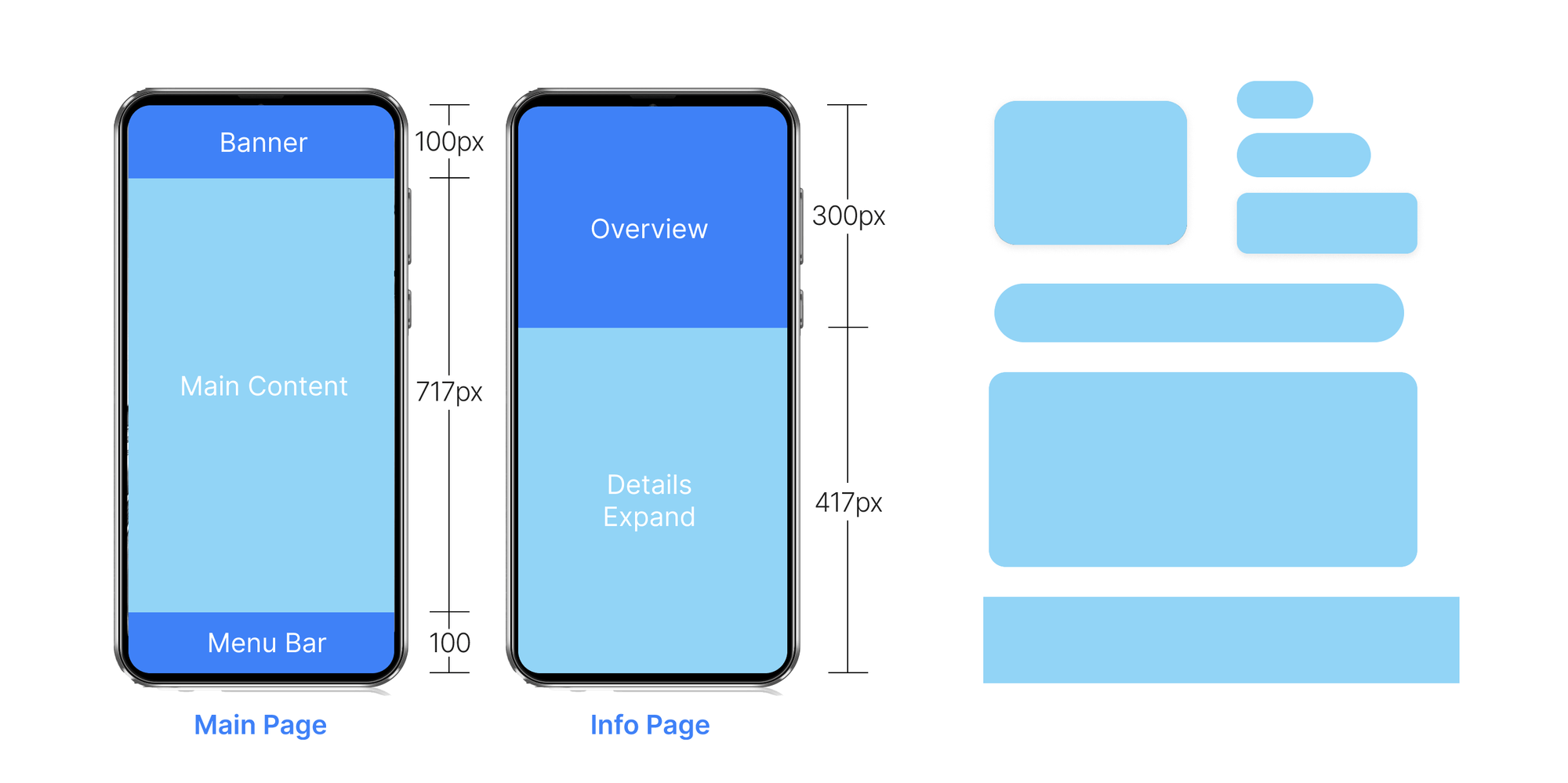
Design System

Product detail

High-fidelity Prototypes

Final Deliverables

Self-motivation booster UX Design

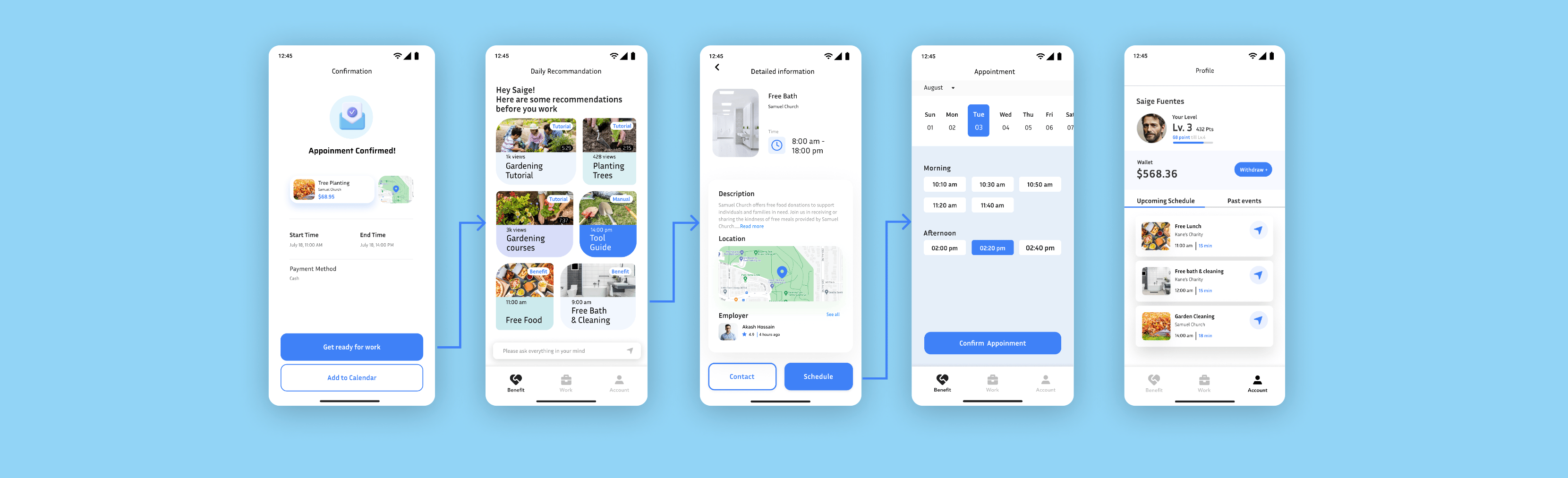
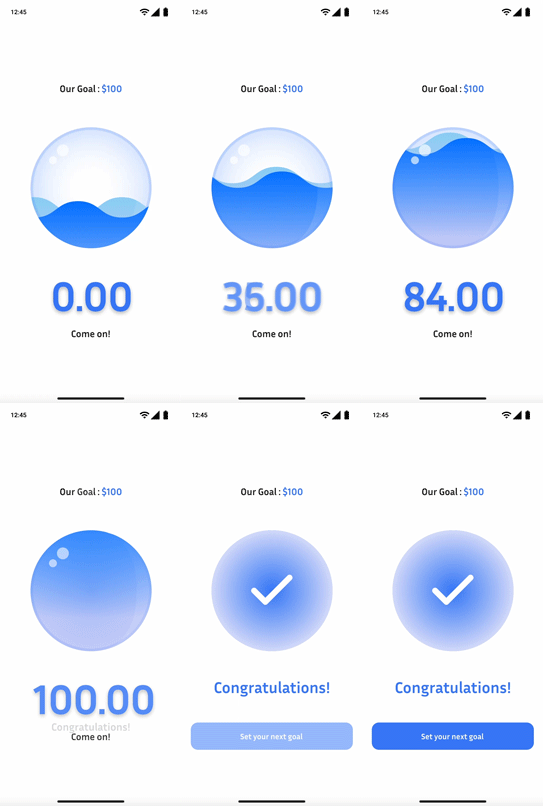
The Self-Motivation Booster UX Design allows users to set their own ultimate goal, such as securing stable housing or saving for a specific need. The app then tracks their earnings and progress, helping them stay motivated by visualizing their savings growth and step-by-step achievements toward their goal.


Point system function & UI upgrade

The redesigned workflow simplifies job searching by introducing a conversational interface where users can quickly describe their needs instead of manually browsing listings. AI analyzes user profiles, availability, skills, and location to recommend the most suitable tasks in real time. This improves usability by reducing search time, increasing match accuracy, and enabling users to move from discovery to application in just a few steps.

Logomark

Spencer’s Portfolio

Halo

Helping homeless people find jobs and rebuild their lives.

UX Design

UX Research

UX Iteration

Landing detail

NOV 2024-

FEB 2025

Spencer Qiao (Design Lead)

Mike Wang (Researcher)

Tom Gu (Project Manager)

Antonio Harding (Engineer)

Hope

I went to college in Baltimore, and there were a lot of homeless people around the school. I didn't know them before, and they were full of stereotypes. But it was not until more contact with them that they discovered their love for life. I found that they are not what I imagined. Most of them are also optimistic and want to change their lives.


From a passerby's perspective

Many people find it difficult to return to society after losing their jobs because of prejudice and the lack of a fixed place to live, even if they are able to.

Person A

The government spends too much on homeless programs—money should go toward creating jobs, not just aid.

Person B

Hiring costs are rising, and even higher pay can’t attract workers.

Homeless

I lost my job during the pandemic, but I’m still trying despite fewer opportunities.

Field Research

Through my research, I found that the majority of homeless individuals own a smart phone.

This map is an interactive list of resources for people experiencing or at risk of homelessness, including emergency shelters, resource centers, health care, and meal sites.


Maryland government provides sufficient welfare facilities, but they lack programs to help individuals reintegrate into society.


Workforce shortage in MD

70% of labor does not require skills, but is still very expensive, and also under staff shortage

Project

1. High Hourly Rate


Project

2. Workforce Shortage


Whats current app doing & Why they are not helping homeless

Part-time Job Require an Address

Most job platforms need a fixed address which homeless individuals don’t have, blocking them from opportunities.

Lack of Reintegration Support

Existing homeless aid apps focus on survival (food, shelters) but rarely help them regain independence through jobs and long-term solutions.

A better solution is needed—one that connects homeless individuals to work without barriers and supports their journey back into society.

Defining Direction

App Developing

We aim to develop an APP that help homeless organize social resources & support their reintegration in to society

Physical Solutions

Additionally, if people don't use APP, or don't have a mobile service, there will be a physical solution

Insights from Shelter Interviews

Over 30% of homeless individuals actively seek work but face systemic barriers. Many lost housing due to unemployment, medical debt, or family issues. While shelters offer short-term help, long-term solutions should prioritize jobs and stability.

After discussions, we decided to first assist those who have the ability and confidence to reintegrate into society. However, our service-based resources will remain accessible to everyone,


DeAndre

He was fired about two years ago, he became homeless, and then his wife left him. From then on he began to wander on the street, living on relief and make money by cleaning the car windows of people passing by on the street.

Samuel

Currently doing some work such as yard keeping to make ends meet. He lives in his car with his 3 children in his family, and works very hard every day. He came to America with his dad, his dad lives with his bad friends in a very old apartment in Baltimore, they take drugs every day.

Reginald (Main focus)

He was an office worker before, but lost his job during the epidemic because the company went bankrupt. He is now applying for jobs everywhere, trying to find another job, but because he is not very professional, it is difficult to find.

Initial Mind Map

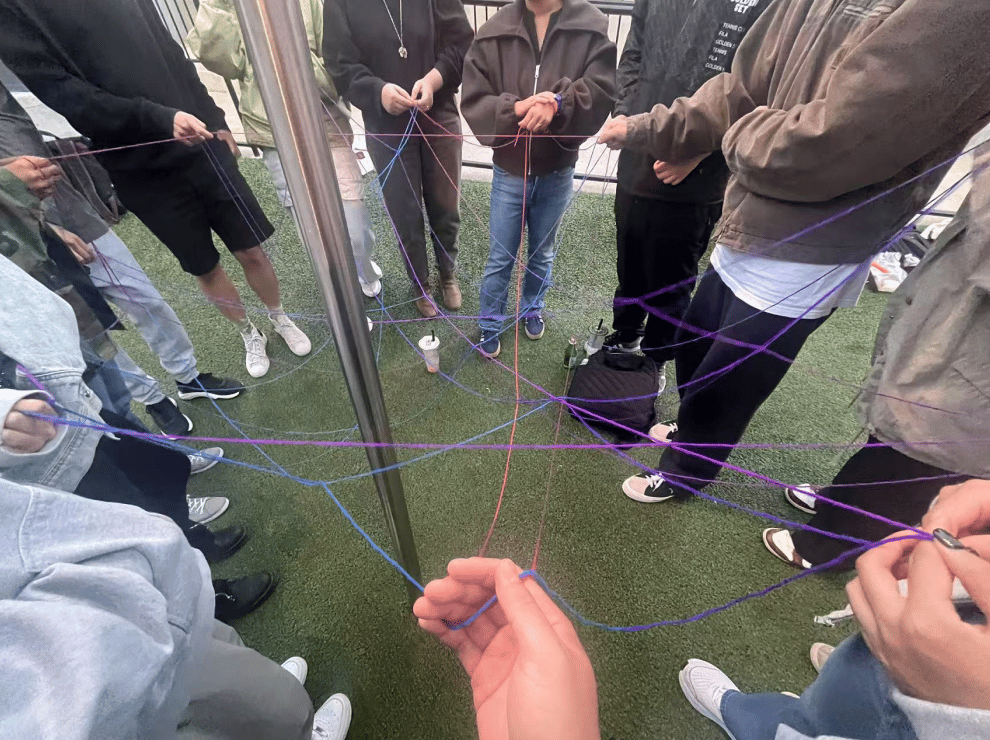
I led a collaborative design sprint with designers, researchers, homeless individuals, and field experts. Together, we identified key insights and implemented meaningful design changes to better support homeless reintegration.

Storyboard

Our goal is to help homeless individuals reintegrate into society by providing opportunities to earn money through meaningful work while als offering access to essential social benefits.


Product detail

Wireframe

Based on our mind maps, we started with the initial wireframe

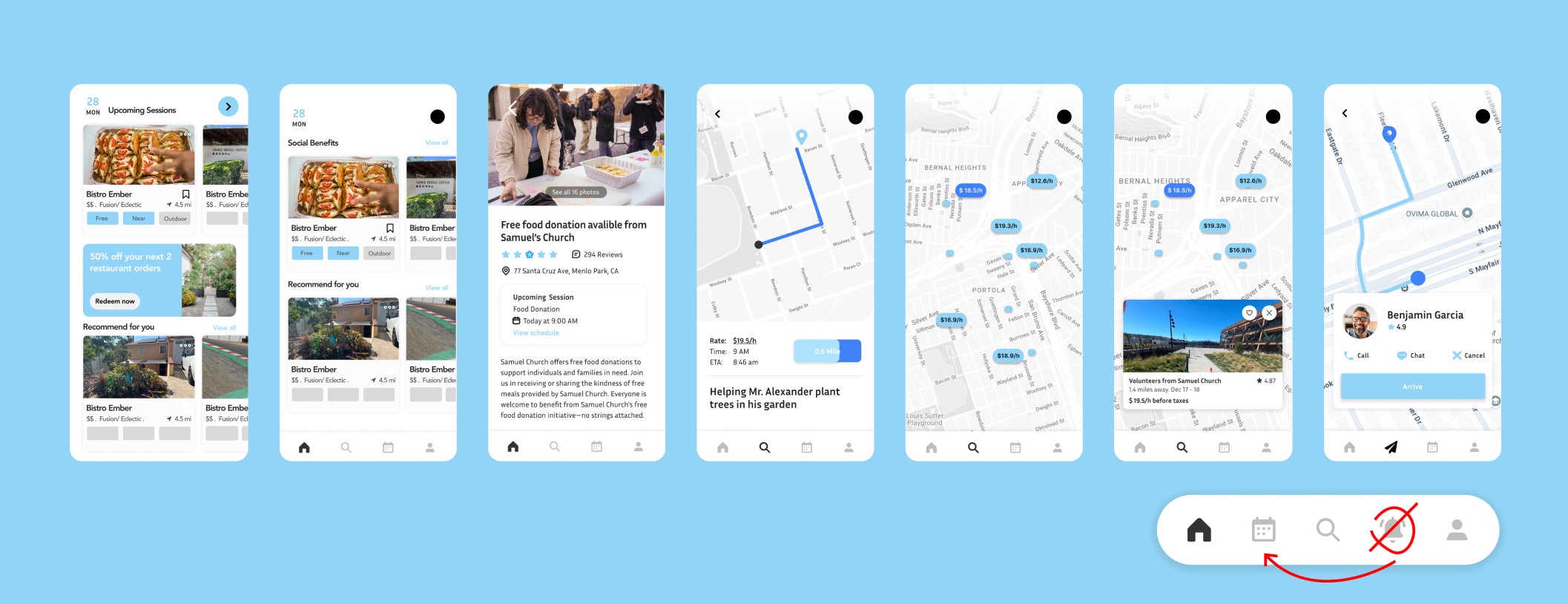
Iteration

We have updated many design elements and steps.During our testing of the app, We simplified the user flow for the homeless,enhanced the hierarchy, and adopted blue as our theme color.

How we ensure the safety and trust for both side?

Issue during testing

During testing, we identified a critical issue: the homeless population includes individuals who may be unsafe, with some experiencing mental instability or substance abuse. This raises significant safety concerns for both participants and the broader community, requiring a structured screening and verification process.

Product detail

Points System

To address this, we have implemented a level-based assessment system that categorizes individuals based on their readiness for work. This system helps identify those who are prepared for immediate opportunities while offering support and guidance to those who need further rehabilitation before entering the workforce.

Product detail

Point system function & UI upgrade

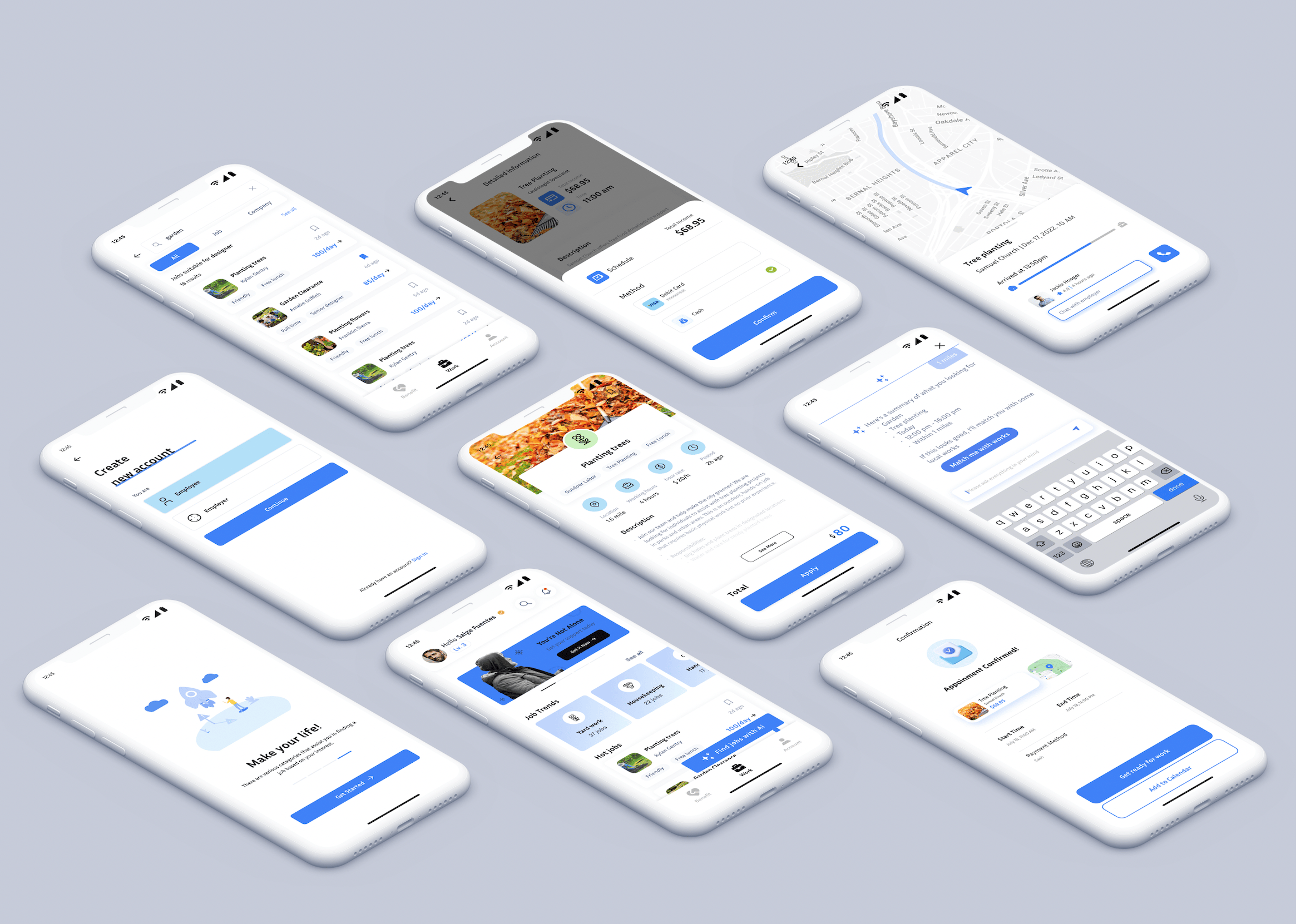
The redesigned workflow simplifies job searching by introducing a conversational interface where users can quickly describe their needs instead of manually browsing listings. AI analyzes user profiles, availability, skills, and location to recommend the most suitable tasks in real time. This improves usability by reducing search time, increasing match accuracy, and enabling users to move from discovery to application in just a few steps.

Removed In-App Map Integration

Based on user feedback, we eliminated the custom map feature and instead leveraged the built-in mapping functionalities of mobile devices. This ensures a more seamless and familiar navigation experience while reducing technical overhead.

Simplified Job Search with AI Assistance

Through user testing, we observed that many homeless individuals were less proactive in searching for opportunities. To address this, we streamlined the job search process by integrating AI-driven recommendations, automatically matching users with suitable tasks based on their profile and skill level. This reduces friction and increases engagement.


How we promote user’s self motivation

Challenges in Reintegration

I thought the solution was quite simple—just help the homeless find a job, earn money, and they would no longer be homeless. However, I soon realized that there are significant barriers preventing them from even starting the job-seeking process. Many people challenges beyond employment, such as lack of confidence, social stigma, and essential life skills. This realization led me to rethink my approach; instead of focusing solely on job placement, the design should provide comprehensive support that addresses their struggles from multiple angles. The app should act as a guide, offering step-by-step assistance to help them gradually reintegrate into society and build a sustainable, better life.

Product detail
Product detail

Design System

High-fidelity Prototypes

Final Deliverables

Self-motivation booster UX Design

The Self-Motivation Booster UX Design allows users to set their own ultimate goal, such as securing stable housing or saving for a specific need. The app then tracks their earnings and progress, helping them stay motivated by visualizing their savings growth and step-by-step achievements toward their goal.


Product detail

Physical Solution

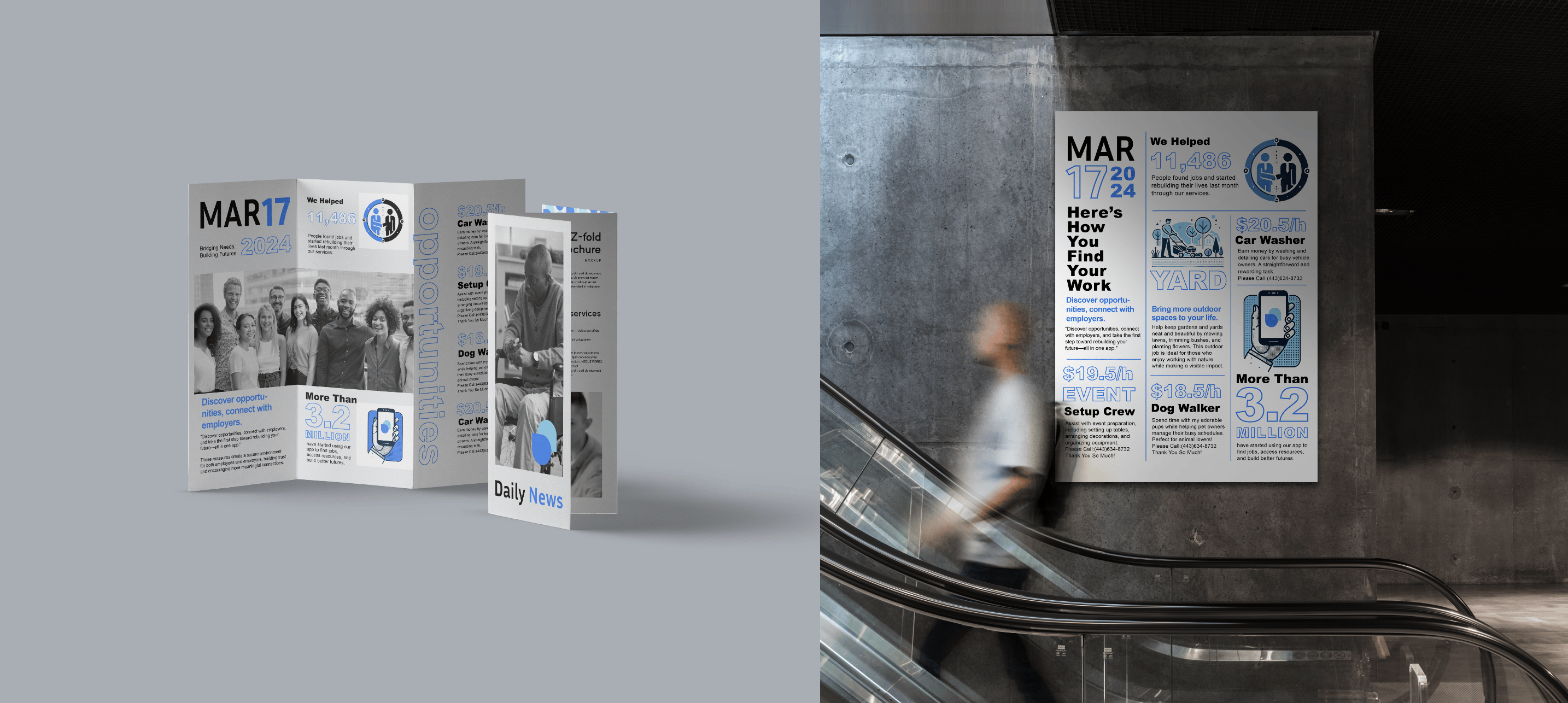
Based on my previous research, a small portion of homeless individuals do not have access to mobile phones. To ensure they can still access important resources, I designed physical brochures and posters that provide essential information in an accessible and easy-to-understand format. These materials help bridge the gap and connect them with available services and opportunities.

Self reflection

For individuals do not meet the our verification

For individuals who do not meet our verification requirements, access to social benefit resources will still be available to ensure they receive essential support. However, participation in the work system will be temporarily restricted. Their access to employment opportunities will remain locked until they successfully complete our verification process or meet the eligibility criteria set by our partnered charity organizations.


The Need for Government and Charity Support

While the app provides essential tools to help homeless individuals reintegrate into society, it cannot solve all challenges alone. Overcoming deep-rooted issues such as mental health struggles, substance abuse, and financial instability requires a collaborative effort involving both government and charitable organizations. Government support is crucial for providing long-term housing, healthcare, and employment programs, while charities can offer immediate relief, mentorship, and community-based assistance. By working together, we can create a more holistic support system that not only helps individuals find jobs but also equips them with the resources and guidance needed to sustain a better life.